Mehsoft
- JavaScript
- Sass
- Node.js
- Express
- Three.js
- GSAP
Website for an indie game studio. The brief was to capture their retro-modern aesthetic and let the games do the talking.
Context
Mehsoft is a small indie studio making narrative pixel-art games—six titles since 2016, from The Underground Man to Kazakh Drive—and until this project it had no website. The brief was a first web presence that worked as a catalogue of the games and carried the studio’s voice. The risk was the obvious one: a generic studio site that flattened the retro character their players come for.
What I did
Design and build, solo. The visual system—palette, type, and motion—the page structure (about, games, contact), the front end in plain JavaScript and Sass, the animation work, and the Node and Express backend behind the contact form. It’s hosted on Cloudflare Pages.
Decisions
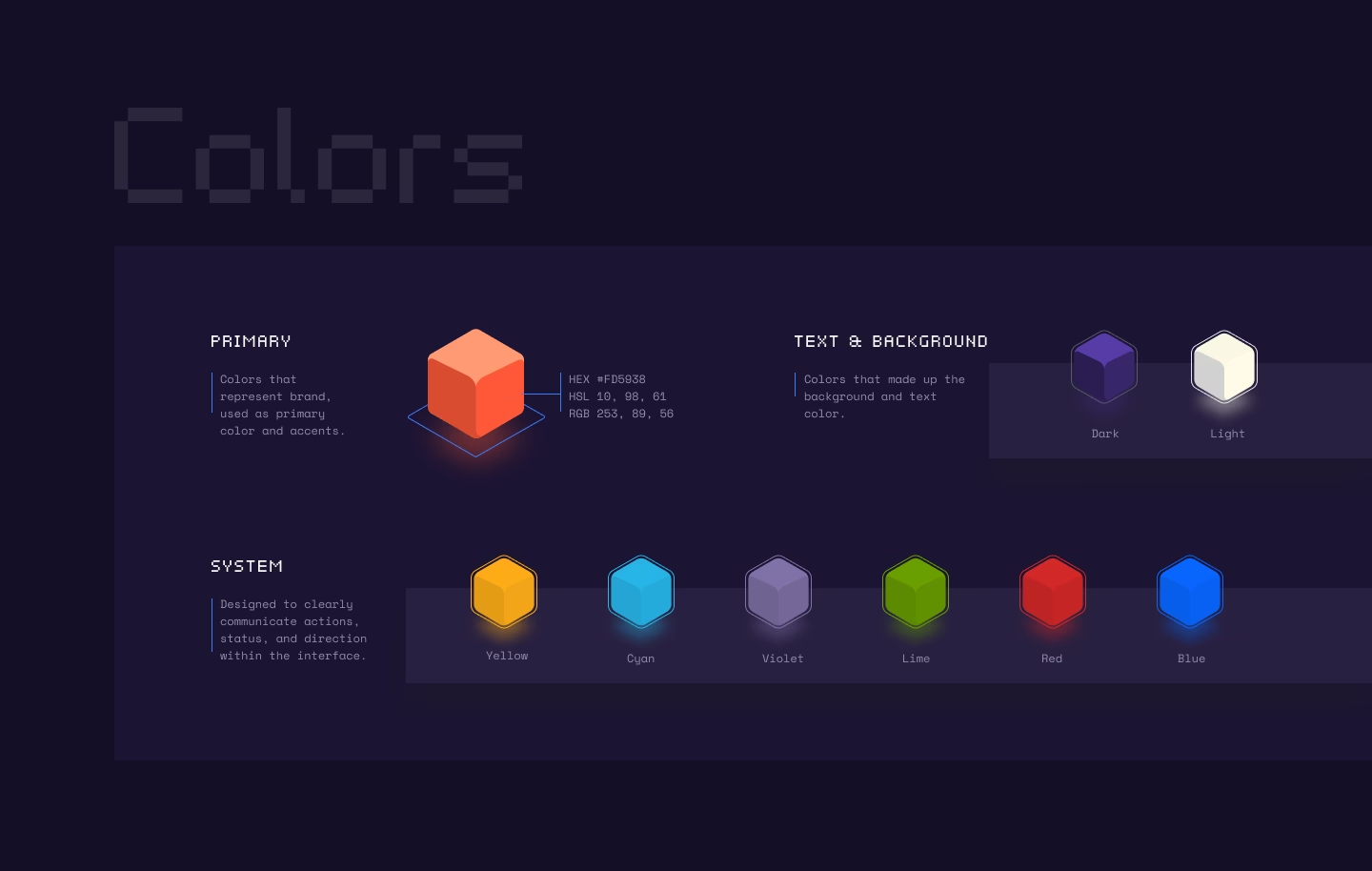
Dark purple and orange, from arcade cabinets. The games are pixel art with a modern edge, so the site had to look like the same hands made it. The palette comes from the place the games do—cabinet bezels and CRT glow—rather than from a corporate template.
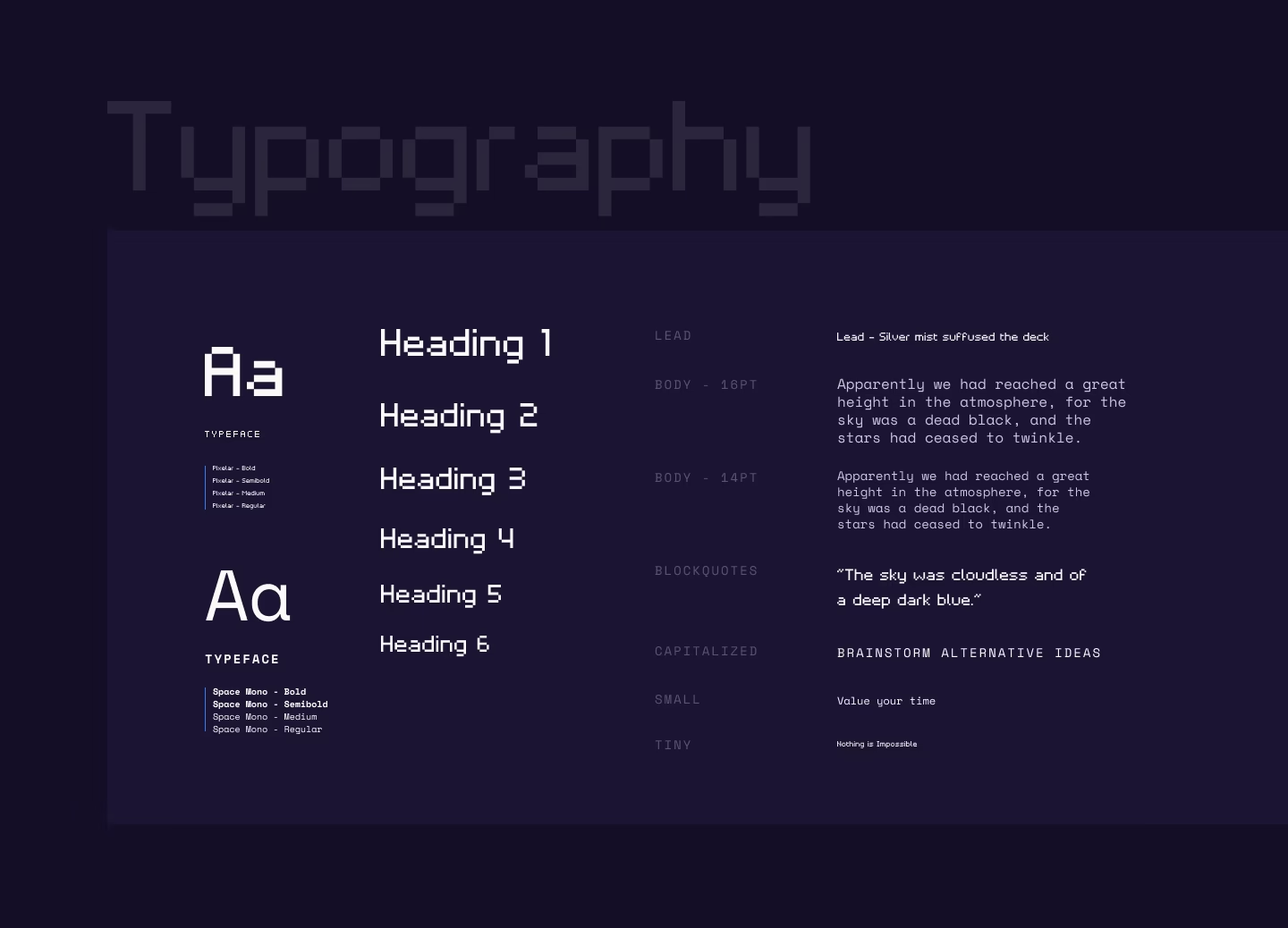
Pixelar for headings, Space Mono for body text. Pixel type carries the nostalgia but is hard to read at length. A monospace body keeps the “coded” feel of game development while staying legible, and the two together give the studio a voice that’s retro without being a costume.
Motion tied to the games, not decoration. Each interaction—GSAP with ScrollTrigger, Anime.js, Three.js, split-text reveals, Lenis smooth scrolling—was built around a beat in a game’s story, so the animation says something about the title it sits next to. That’s the difference between motion that earns its place and motion that just moves.
No framework. A content site with this much custom animation gets nothing from a component framework except weight. Plain JavaScript and Sass, minified into a few bundles, gave direct control over every timeline.
Turnstile on the contact form, not a CAPTCHA. Spam protection that never asks the visitor to solve a puzzle. Making people work to say hello is the wrong first impression for a studio built on hospitality to its players.
Result
It launched as Mehsoft’s first web presence and is still the studio’s home. Early analytics showed visitors reading through rather than bouncing, and the studio’s feedback singled out the navigation and how closely the site matched the character of the games.
In hindsight
I’d budget the motion against low-end hardware from the start. Players of pixel-art games often run modest machines, and a site this animated owes them a reduced-motion path and a lighter first load as the default, not as an afterthought.